
Oil and gas investors often watch crude oil prices, but the amount of oil sitting in storage can be just as revealing. Global inventories help explain where prices may be headed, how producers respond, and why domestic oil projects deserve careful attention.
What Are Global Oil Inventories?
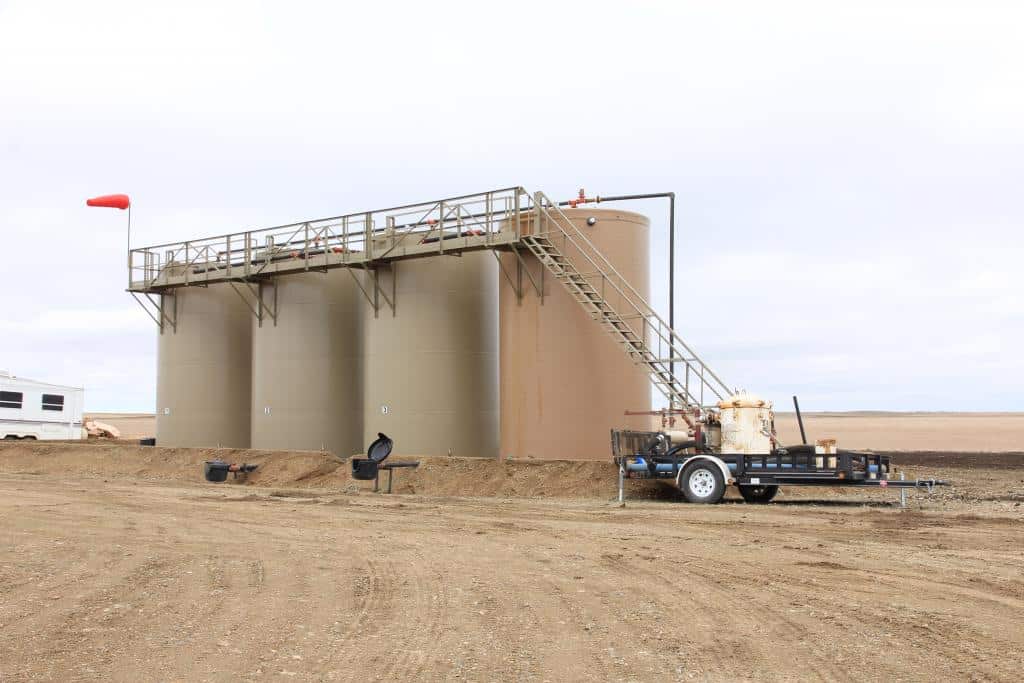
Oil inventories are barrels of crude oil and petroleum products held in storage rather than used immediately. When supply exceeds demand, inventories typically rise. When refiners and other buyers use more oil than the market supplies, inventories fall.
These changes matter because inventories help the market absorb unexpected shifts in supply and demand. Higher stock levels give the market more flexibility to respond to disruptions. When inventories are low, even a temporary supply shortage can put upward pressure on oil prices.
This is why analysts monitor inventories in the United States and other major oil-consuming regions, along with estimates of global stocks. Rather than focusing on a single weekly report, they look at trends over time to distinguish temporary disruptions from broader market changes. For qualified investors evaluating domestic oil projects, these trends provide useful context for making long-term investment decisions.
What the November 2026 Oil Data Shows
The latest figures offer a useful example. According to the U.S. Energy Information Administration’s November 2026 Short-Term Energy Outlook, global oil inventories declined by an estimated 1.2 million barrels per day during the third quarter of 2026. The agency expects stocks to begin rebuilding in the fourth quarter as global production exceeds consumption.
Meanwhile, U.S. commercial crude oil inventories ended October at approximately 410 million barrels, their lowest end-of-October level since 2014, according to an EIA release issued November 10.
These numbers illustrate why inventory trends matter. A period of falling stocks can indicate that supplies are struggling to keep pace with demand or that disruptions are affecting deliveries. Rising stocks can signal improving supply availability, giving buyers more flexibility.
Inventories are only part of the picture, however. Shipping conditions, refinery activity, production decisions, and economic growth also affect the market. Investors benefit from reading inventory data alongside those broader developments.
Why Lower Inventories Can Support Oil Prices
When available oil stocks fall, buyers have less protection against unexpected delays or shortages. If a refinery needs crude oil and replacement barrels are harder to secure, buyers may be willing to pay more. This can support prices, particularly when global supply routes are under pressure.
In its November outlook, the EIA reported that Brent crude averaged $124 per barrel in October 2026. The agency connected the increase to declining global inventories, shipping disruptions, and higher transportation costs. It forecast Brent prices around $100 per barrel during November and December, although actual prices may differ.
This does not mean lower inventories always lead to higher prices. Traders also consider expected future supply, demand growth, and how quickly production can respond. Markets frequently react to changes in expectations before those changes appear in official storage reports.
For investors, the important lesson is not to predict every price movement. It is to understand why the market is moving and how those conditions might affect a project’s economics.
Contact DW Energy
Want to learn more about oil & gas investing? Our expert team can provide you with more information or schedule a consultation to talk about diversifying your investment portfolio.
What Inventory Changes Mean for U.S. Producers
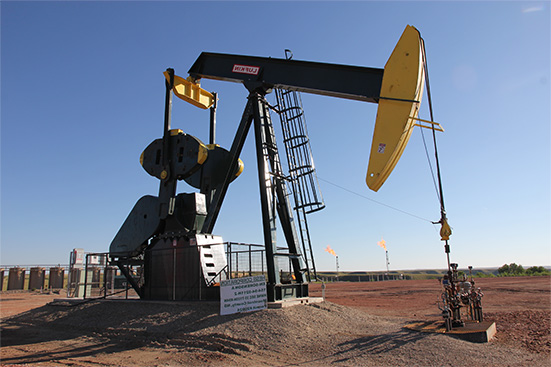
Domestic producers operate within a global marketplace. Although an oil well may be located in Texas, prices reflect supply and demand far beyond the state’s borders. International events can therefore influence revenue received from U.S. production.
When prices support development, operators may have greater flexibility to evaluate drilling programs, bring new wells online, or invest in existing assets. Stronger revenue can also support ongoing operations. Still, project decisions depend on well performance, capital requirements, and the costs of producing each barrel.
The United States has a substantial production base. In the November 2026 EIA outlook, the agency forecast U.S. crude production averaging 13.9 million barrels per day in 2026 and 14.3 million in 2027. These figures are forecasts, not guaranteed results, but they show the continuing scale of domestic energy production.
For qualified investors, that scale offers useful context when considering opportunities tied directly to U.S. wells rather than publicly traded energy shares.
Why Higher Oil Prices Do Not Guarantee Higher Returns
A favorable market can improve a well’s revenue potential, but the market price is not the same as an investor’s return. Production volumes, operating expenses, transportation charges, taxes, and partnership terms all affect the amount available for distribution.
A well producing consistently at a manageable cost can be financially different from one requiring expensive maintenance, even if both sell oil in the same market. Production also changes as wells mature. Responsible analysis considers how performance may develop under different price assumptions instead of relying on one optimistic forecast.
The U.S. Securities and Exchange Commission’s investor guidance encourages people evaluating private oil and gas offerings to examine project risks, documentation, and due diligence. Direct participation can offer distinctive benefits, but it also involves the possibility of loss and limited liquidity.
Looking Beyond a Single Market Report
A useful way to follow oil markets is to consider three questions together. Are inventories building or falling? What is changing in global production and demand? And how might those changes affect the specific wells or partnerships under review?
The answer may evolve from month to month. That is why timely reporting and well-level information matter. Market data provides context, while production results and expenses show what is happening within an actual investment.
Since 2008, DW Energy Group has focused on direct participation in domestic oil and gas projects as a minority non-operating working interest partner. Our approach to oil and gas investing combines project evaluation, relationships with established operators, and regular communication with approved partners. Monthly reports help investors review production, distributions, and expenses at the well level.
A More Informed View of Domestic Energy Investing
Global oil inventories are a valuable signal, not a complete forecast. Following them alongside prices, domestic production, and individual project performance gives oil and gas investors a stronger basis for evaluating long-term opportunities. To learn how DW Energy Group evaluates projects and keeps its qualified and approved partners informed, explore DW’s approach and connect with our team.
Contact dw energy
Sources
“Short-Term Energy Outlook Global Oil Markets,” U.S. Energy Information Administration,
https://www.eia.gov/outlooks/steo/report/global_oil.php
“EIA Raises November Natural Gas Storage Forecast After Warm Start to Month,” U.S. Energy Information Administration,
https://www.eia.gov/pressroom/releases/press594.php
“Investor Alert Private Oil and Gas Offerings,” U.S. Securities and Exchange Commission,
https://www.investor.gov/introduction-investing/general-resources/news-alerts/alerts-bulletins/investor-alerts/investor-45
“DW’s Approach,” DW Energy Group,
https://www.dwenergygroup.com/dw-approach/