
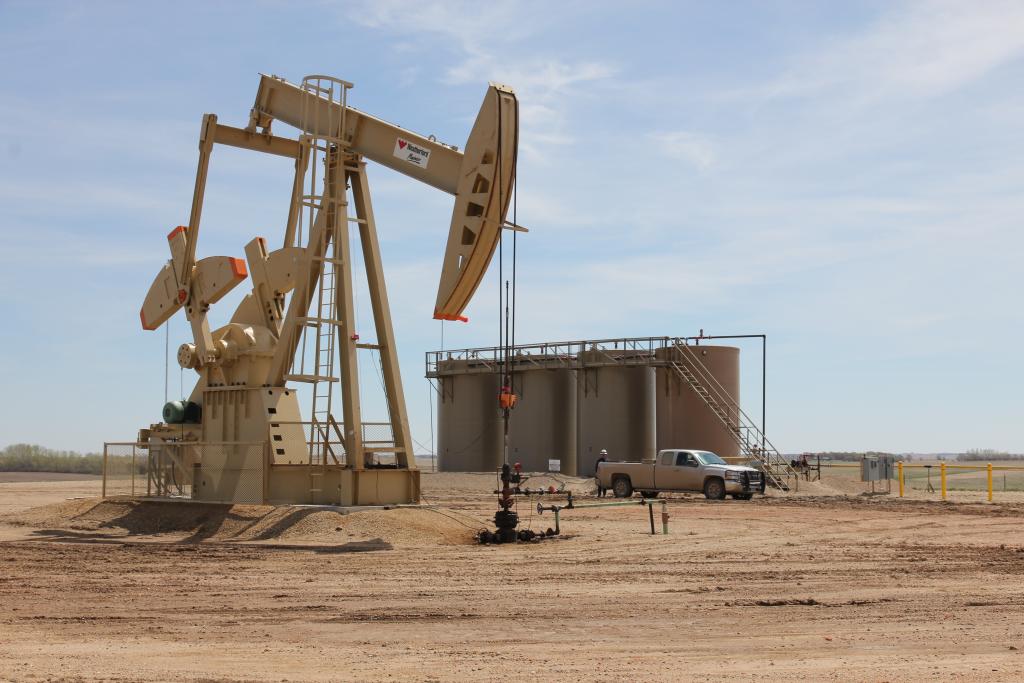
A new investment year often brings fresh questions, even for experienced oil and gas investors. Clear answers help approved and qualified investors stay confident, focused, and aligned with long-term goals while exploring opportunities in domestic energy.
Is oil and gas still relevant to U.S. energy use?
Yes. Petroleum and natural gas together make up a large share of U.S. energy consumption. In 2023, petroleum accounted for about 38 percent of total U.S. energy use, and natural gas made up about 36 percent, with the rest from coal, nuclear, and renewables. This shows how dominant oil and gas remain in powering transportation, industry, and heating.
For oil and gas investors, strong and steady demand for these fuels supports continued domestic investment, especially in established basins with well-developed infrastructure.
Why consider oil and gas for portfolio diversification?
Oil and gas investments behave differently from stocks and bonds. These real assets offer exposure that can be less correlated with public markets, which can help spread risk. For qualified investors, direct participation in domestic energy projects can offer income potential from production while helping diversify beyond traditional investments.
What market risks should investors review at the start of the year?
Volatility in commodity prices, production performance, and regulatory shifts are common considerations in oil and gas investing. Prices can fluctuate with global supply and demand changes, macroeconomic conditions, and geopolitical events.
Managing risk starts with disciplined due diligence. By reviewing reservoir quality, cost structure, and operator experience, investors gain a clearer picture of how potential returns relate to risk. Projects introduced by DW Energy Group are carefully evaluated and offered only to qualified investors who understand these considerations.
Are there tax benefits for U.S. oil and gas investments?
Many oil and gas investors ask about tax treatment early in the year. Direct investments in domestic oil and gas can offer tax advantages, such as deductions for intangible drilling costs and depletion allowances under U.S. tax rules. These tax benefits can influence overall returns, but individual circumstances vary. Approved investors typically work with tax advisors to ensure energy investments align with their broader tax planning.
How does U.S. energy production compare with demand trends?
The United States continues to be a major producer of energy. In 2024, total domestic primary energy production was nearly 103 quadrillion British thermal units (quads), with petroleum and natural gas forming the largest segments of that output. U.S. production now exceeds consumption by a notable margin, allowing the country not only to meet domestic demand but also export energy abroad.
For oil and gas investors, strong domestic production can support project economics and participation in export markets, particularly where infrastructure and supply chains are well established.
Contact DW Energy
Want to learn more about oil & gas investing? Our expert team can provide you with more information or schedule a consultation to talk about diversifying your investment portfolio.
What global demand trends affect oil and gas investors?
Global energy demand continues to grow across many scenarios, with oil and gas still playing key roles in meeting energy needs worldwide. The International Energy Agency’s flagship World Energy Outlook highlights ongoing demand for oil and natural gas, even as renewables expand. This broad demand picture helps investors understand where energy markets may be headed over the long term.
Investors often use this type of information to shape expectations around pricing, production planning, and capital deployment.
How important is operator experience and project quality?
Operator experience plays an important role. Experienced operators are better positioned to manage costs, execute efficiently, and optimize production. A proven track record in similar geological and market conditions helps build investor confidence.
DW Energy Group partners with reputable operators and performs deep due diligence before presenting opportunities to qualified investors. This approach helps align investor capital with operators who are proven and capable.
What timing considerations should investors think about?
Many investors use the start of a new year to revisit goals, review liquidity needs, and consider how oil and gas investments fit into their overall strategy. Energy markets follow both seasonal patterns and long-term trends, which often reward thoughtful planning and patience over time.
For many oil and gas investors, taking a long-term view aligns well with upstream investments, where development and production typically take time to progress.
What questions should investors ask before committing capital?
Qualified investors typically ask practical questions, such as how a project fits their strategy, what the production timeline may look like, and how potential returns compare with risk. They also consider how tax benefits, production expectations, and operator practices align with their overall financial planning.
Asking these questions early in the year helps investors allocate capital thoughtfully and avoid surprises later.
Moving into the new investment year with clarity
For oil and gas investors, starting the year with clear answers builds confidence and focus. Understanding energy demand, production trends, market risks, and tax implications keeps decisions grounded in fact and aligned with long-term goals.
If you want to explore how disciplined project selection and partnership with experienced operators can support your strategy, visit DW Energy Group’s page on how we approach each opportunity and support qualified and approved investors.
Contact dw energy
Sources
“U.S. energy facts explained,” U.S. Energy Information Administration,
https://www.eia.gov/energyexplained/us-energy-facts/data-and-statistics.php
“How Oil and Gas Investing Can Stabilize Returns and Shield Against Market Volatility: Tips From a Financial Pro,” Kilplinger, https://www.kiplinger.com/investing/how-oil-and-gas-investing-can-stabilize-returns-and-shield-against-volatility
“U.S. primary energy production, consumption, and exports increased in 2024,” U.S. Energy Information Administration, https://www.eia.gov/todayinenergy/detail.php?id=65524
“World Energy Outlook 2025,” IEA,
https://www.iea.org/reports/world-energy-outlook-2025