
Energy can be a smart part of a diversified portfolio, but the experience can feel very different depending on what you own. If you are deciding between oil and gas projects and traditional energy stocks, the key differences usually come down to price movement, tax treatment, risk, and how income is received.
Two ways investors get energy exposure
Traditional energy stocks are shares of public companies or funds that own those shares. Prices move every trading day and can swing quickly. Investor.gov notes that stock prices can be affected by factors inside the company and by events the company has no control over, such as political or market events.
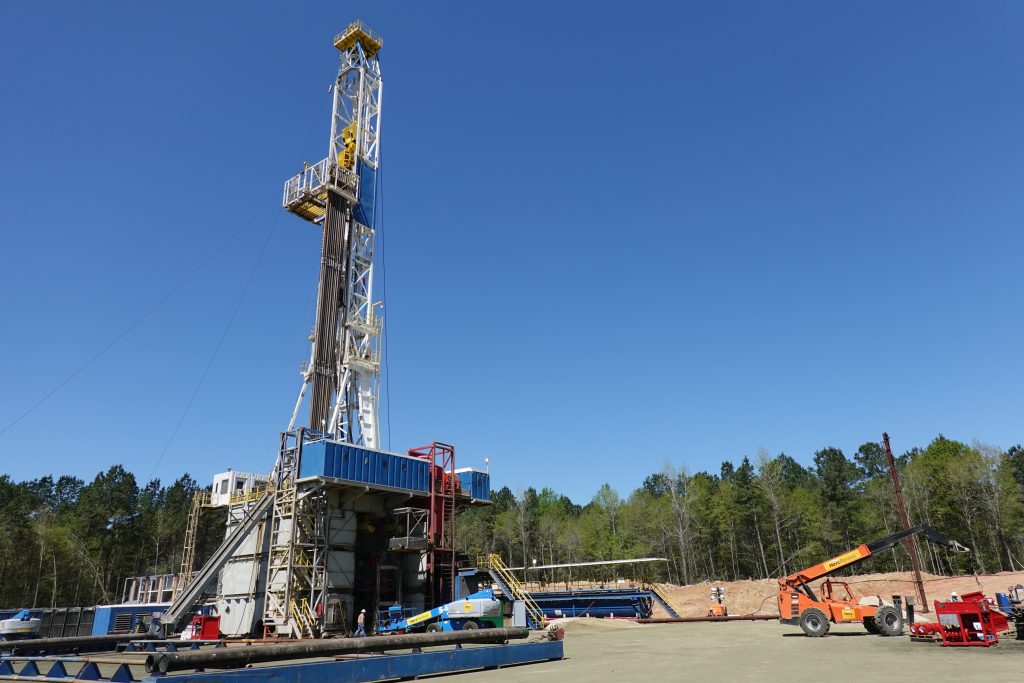
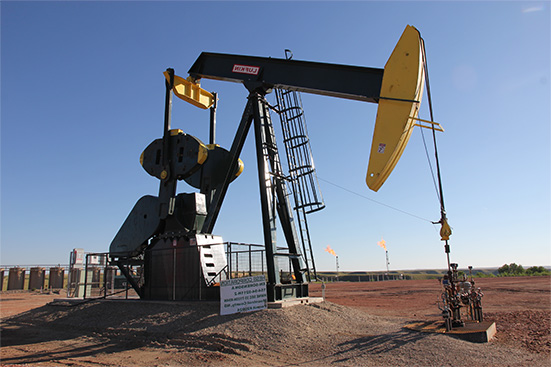
Oil and gas projects are usually structured as private partnerships that participate in specific wells and the cash flow those wells generate. Instead of watching a live share price, investors track results through operational performance, reporting, and distributions over time. DW Energy Group describes a partner experience built around a monthly partner report, a secure online portal, and annual tax documents for qualified and approved investors.
Volatility and what you actually feel
With public stocks, volatility is visible every minute because the market is constantly repricing. In severe market declines, trading can even pause. Investor.gov explains market-wide circuit breakers at 7%, 13%, and 20% single-day declines in the S&P 500.
With oil and gas projects, you do not see a daily quote, but volatility still exists. It just shows up differently. Changes are driven by real-world factors such as production results, operating costs, timing, and commodity prices. For example, the U.S. Energy Information Administration publishes historical WTI spot prices, which makes it easy to see that crude pricing moves over time.
A realistic way to think about it is simple:
- Stocks can feel volatile because the market reprices instantly
- Projects can feel steadier day to day, but performance can still vary as wells mature and prices move
Contact DW Energy
Want to learn more about oil & gas investing? Our expert team can provide you with more information or schedule a consultation to talk about diversifying your investment portfolio.
How risk differs between energy stocks and direct projects
Both approaches involve risk. The key is understanding the kind of risk you are taking.
Traditional energy stocks typically involve
- Market risk and sentiment risk, where prices move quickly, even if the business is stable
- Company-specific risk, such as debt levels, execution, and management decisions
- Liquidity risk that is usually lower for large public stocks, since they are commonly easy to buy and sell during market hours
Oil and gas projects typically involve
- Well performance risk, since production and decline rates can differ from expectations
- Commodity price risk, since revenues are tied to realized oil and gas prices
- Cost and timing risk, including drilling schedules, service costs, and ongoing operating expenses
- Liquidity limits, because these are generally designed to be held longer term rather than traded daily
Many qualified investors look at this as a matter of balance, not an all-or-nothing decision. By spreading money across different types of investments, it can be easier to manage risk, even though no investment can eliminate risk entirely.
How tax treatment can differ between projects and stocks
For many qualified investors, taxes play an important role when comparing direct participation with traditional stocks. Stock investments are usually taxed through dividends and capital gains, while oil and gas projects, depending on how they are structured, can involve tax considerations tied directly to drilling and production activity.
A quick reminder: Tax outcomes depend on your specific situation and the investment structure. It is worth reviewing details with your CPA.
Intangible drilling costs
Intangible drilling costs, often called IDCs, are certain drilling and development expenses that generally do not have salvage value. The IRS Oil and Gas Audit Technique Guide describes IDCs as expenditures for items such as wages, fuel, repairs, hauling, and supplies that are incident to and necessary for drilling wells and preparing wells for production.
One of the main differences between direct participation and owning a public energy stock is how drilling costs are treated. When you own stock, you do not receive tax deductions simply because the company is drilling wells. In a qualifying direct investment, some drilling-related costs may be deductible, but this depends on how the investment is structured and how it is reported for tax purposes.
Depletion and why it exists
Depletion is a tax concept that recognizes that oil and gas reserves are gradually used up as they are produced. The IRS allows certain investors who have an economic interest in a mineral property to claim a depletion deduction, which helps account for that decline in reserves. There are two main ways this can be calculated, known as cost depletion and percentage depletion, and the method used depends on the specific investment and tax rules.
For oil and gas, percentage depletion has additional rules and limitations. Tax professionals often refer to the U.S. tax code when determining who qualifies, how much production can be counted, and how the deduction is capped in a given year.
Partnership reporting and why it feels different than a brokerage account
Many oil and gas projects are structured as partnerships for tax purposes. Instead of receiving a simple brokerage tax form, investors usually receive partnership tax documents that report their share of income and expenses. These often include a Schedule K-1, which is part of the annual tax information provided to investors.
This is simply a different process, not a disadvantage. Investors who understand the timing of K-1 forms and work with a CPA familiar with partnership reporting often find tax season straightforward and manageable.
Income potential dividends vs distributions
Energy stocks can provide income through dividends, and they can also provide growth if share prices rise. The tradeoff is that stock prices can move sharply in either direction, and dividends can change over time.
Oil and gas projects aim for cash flow tied to production. Distributions can vary early on, especially around drilling and completion activity, then may become more predictable if wells perform as expected and costs stabilize. A positive but realistic expectation is that direct investors often value the connection to producing assets, plus structured reporting that keeps them informed.
DW Energy’s approach emphasizes consistent communication and transparency, including a monthly partner report distributed regularly, access through a secure portal, and annual tax documentation.
A practical comparison that many qualified investors find useful
A helpful way to compare these options is to think about what matters most to you as an investor.
If you value easy buying and selling with prices you can check daily, traditional energy stocks can be a straightforward option.
If you value direct participation in drilling and production, along with potential tax considerations tied to real operating activity, oil and gas projects can be a strong fit. These investments are often designed for investors who take a long-term view and understand that returns develop over time as projects progress and mature.
If you want a balanced approach, some investors maintain a portion of their portfolio in liquid public investments for flexibility, while adding oil and gas projects for longer-term participation and potential tax advantages. These are typically sized thoughtfully to fit within an overall investment plan.
How to weigh oil and gas projects in your portfolio
This is the part that keeps the decision realistic and still positive.
Start by being honest about what you want the investment to do. If having quick access to your money is most important, public investments are usually easier to buy and sell. If you are looking for long-term participation in domestic oil and gas production, along with tax considerations that are not typically available through stocks, direct projects can be an appealing option for the right qualified investor.
Then focus on fit and process:
- Ask how reporting works and what you receive during the year
- Confirm what drives distributions and how timing is handled
- Review tax concepts early, including IDCs, depletion, and K-1 expectations
- Make sure your CPA is comfortable with partnership reporting
DW Energy Group, LLC is a non-operating oil and gas exploration company in the Dallas, Texas metro area, providing opportunities to qualified and approved investors since 2008. If you are comparing options, it can help to review how DW supports partners through its reporting process so you can evaluate the experience alongside the investment.
A clearer way to choose between projects and stocks
Traditional energy stocks can provide liquidity and broad market exposure, but their prices can move quickly as markets react to new information. Oil and gas projects can offer a different experience, one that is tied more closely to operational results, potential tax advantages, and cash flow from producing assets, with the tradeoff of longer timelines and less liquidity.
If you want to see what ongoing transparency looks like for qualified investors in oil and gas projects, review DW’s approach and reach out to request more information.
Contact dw energy
Sources
“Stocks,” Investor.gov, https://www.investor.gov/introduction-investing/investing-basics/investment-products/stocks
“Stock Market Circuit Breakers,” Investor.gov, https://www.investor.gov/introduction-investing/investing-basics/glossary/stock-market-circuit-breakers
“Diversify Your Investments,” Investor.gov, https://www.investor.gov/introduction-investing/investing-basics/save-and-invest/diversify-your-investments
“Oil and Gas Audit Technique Guide,” Internal Revenue Service, https://www.irs.gov/pub/irs-pdf/p5652.pdf
“Tips on Reporting Natural Resource Income,” Internal Revenue Service, https://www.irs.gov/pub/irs-news/FS-13-06.pdf
“26 U.S. Code Section 613A Limitations on percentage depletion in case of oil and gas wells,” Office of the Law Revision Counsel, https://uscode.house.gov/quicksearch/get.plx?section=613A&title=26
“Cushing, OK WTI Spot Price FOB,” U.S. Energy Information Administration, https://www.eia.gov/dnav/pet/hist/rwtcm.htm
“About Us,” DW Energy Group, https://www.dwenergygroup.com/about-us/
“DW’s Approach,” DW Energy Group, https://www.dwenergygroup.com/dw-approach/