
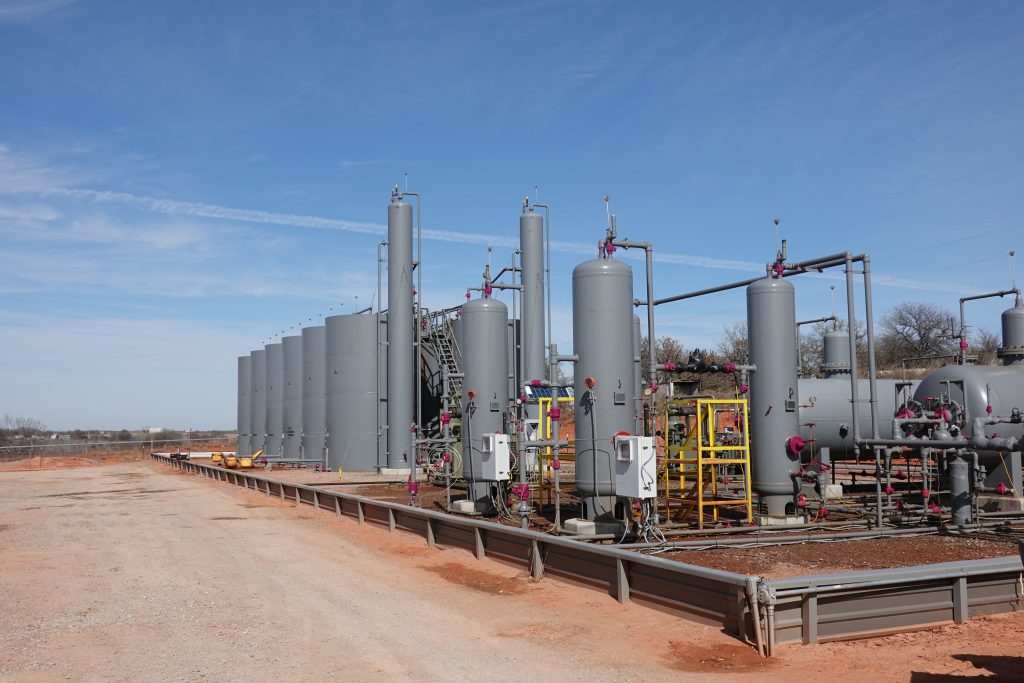
The second half of 2026 gives qualified oil and gas investors several important signals to watch. Prices, production, inventories, LNG demand, and operator discipline are all shaping the market in different ways.
For investors, the main point is simple. Oil and gas remain active, essential markets, but smart decisions should be guided by data, not headlines.
Key factors to watch in the second half of 2026 include:
- Crude oil prices and global supply recovery
- U.S. production levels and drilling activity
- Natural gas growth and LNG exports
- Operator discipline and project quality
- Tax planning before year-end
Why the Mid-Year Outlook Matters
By mid-year, investors have enough data to see how the market is behaving, but still have time to make informed decisions before the end of the year. That makes the second half of 2026 an important planning window for approved and qualified oil and gas investors.
The U.S. Energy Information Administration’s May 2026 Short-Term Energy Outlook reported that Brent crude prices rose sharply in April, reaching a high of $138 per barrel on April 7 and averaging $117 for the month. EIA expected Brent prices to stay around $106 per barrel in May and June before easing later in the year as oil production in the Middle East improves.
This does not mean investors should react emotionally to price changes. It means investors should understand what is driving those changes. Oil prices are shaped by supply, demand, inventories, production capacity, financial markets, and geopolitical risk. EIA notes that events that disrupt the flow of oil can raise uncertainty and price volatility, especially because both supply and demand are slow to adjust in the short term.
What Should Oil and Gas Investors Watch Most Closely?
Investors should watch the numbers behind the market. Price is important, but price alone does not tell the full story.
One key area is global inventory movement. EIA expected global oil inventories to fall by an average of 8.5 million barrels per day in the second quarter of 2026. Inventory draws can signal a tight supply, especially when production is disrupted or demand remains steady.
Another area is U.S. crude oil production. EIA projected U.S. crude oil production at 13.6 million barrels per day in 2026 and 14.1 million barrels per day in 2027. That points to the continued importance of domestic production in meeting energy needs.
For qualified investors, these numbers matter because they help frame the larger opportunity. Direct participation in oil and gas is not just about where prices are today. It is about whether a project is backed by strong fundamentals, experienced operators, disciplined planning, and realistic expectations.
Contact DW Energy
Want to learn more about oil & gas investing? Our expert team can provide you with more information or schedule a consultation to talk about diversifying your investment portfolio.
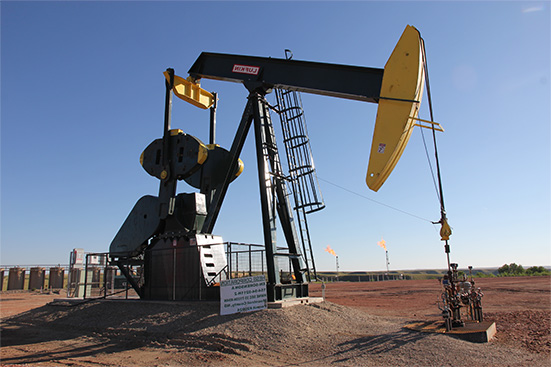
U.S. Production Remains a Key Part of the Story
U.S. oil and gas production continues to play a major role in the global energy picture. Even during periods of uncertainty, domestic production gives the market a source of supply outside of more unstable regions.
Natural gas is also worth watching. EIA reported that Lower 48 marketed natural gas production averaged 117.2 billion cubic feet per day in the first quarter of 2026, up 4% from the same period in 2025. EIA expected Lower 48 marketed natural gas production to average 118.9 Bcf per day in 2026 and 124.0 Bcf per day in 2027.
This matters because oil and gas are often connected in the field. Higher crude oil prices can support drilling activity in oil-producing areas, which can also increase associated natural gas production. EIA noted that the Permian region was expected to produce 29.2 Bcf per day in 2026, up 6% from 2025.
For investors, this reinforces the need to look at the full project. The strength of an oil and gas opportunity may depend on geology, location, operator experience, cost structure, production expectations, and the way the investment is structured.
LNG Demand Adds Another Layer
Natural gas demand is not only domestic. LNG exports are an important part of the U.S. energy story. EIA forecasts U.S. LNG exports to average 17.0 Bcf per day in 2026 and 18.2 Bcf per day in 2027. EIA also projected that net U.S. natural gas exports would grow 18% in 2026 and another 10% in 2027.
This is a meaningful trend for investors watching long-term natural gas fundamentals. Rising export capacity can create additional demand for U.S. natural gas, especially when global buyers look for a stable supply.
Still, LNG growth should be viewed with balance. Export capacity, infrastructure timing, global prices, and international demand can all affect the market. The opportunity is real, but it should be evaluated carefully.
Operator Discipline Still Matters
Higher prices can create excitement, but disciplined operators remain important. Strong oil and gas projects are not built on price alone. They are built on careful evaluation, cost control, technical skill, and realistic planning.
The Federal Reserve Bank of Dallas reported that oil and gas activity increased in the first quarter of 2026, with its broad business activity index rising to 21.0 from negative 6.2 in the prior quarter. The Dallas Fed also reported that many firms were still cautious, with 59% of responding firms saying they expected activity to remain the same based on April survey data.
Rig count is another useful signal. Baker Hughes reported 551 active U.S. rigs as of May 15, 2026, up 3 from the previous week but down 25 from the same period the year before.
This kind of data shows why a measured approach matters. Some operators may expand activity when prices improve. Others may stay selective. For investors, that selectivity can be a positive sign when it reflects careful project selection instead of rushed drilling.
Where DW Energy Fits into the Conversation
DW Energy Group focuses on direct participation in domestic oil and gas projects for qualified and approved investors. That approach gives investors exposure to tangible energy assets rather than only publicly traded energy securities.
The second half of 2026 may offer strong discussion points for investors, but every opportunity still needs due diligence. DW Energy’s approach is built around project evaluation, experienced operator relationships, clear communication, and support throughout the investment process.
That matters in a market where headlines can move quickly. Investors need more than broad market optimism. They need clear information, project-level review, and a realistic understanding of both potential benefits and risks.
A Mid-Year Checklist for Investors
Qualified investors may want to review several questions before making second-half decisions.
- What is driving current oil and gas prices?
- How does the project respond to different price scenarios?
- Who is operating the project?
- What basin or region is involved?
- What is the expected timeline?
- What tax considerations should be reviewed before year-end?
- How will updates and reporting be handled?
The best investment decisions are rarely rushed. They are made with clear data, steady communication, and a full understanding of the opportunity.
A Smarter Way to Review Oil and Gas Opportunities
The second half of 2026 gives oil and gas investors several important trends to follow. Crude oil prices remain stronger than they were in some recent years, U.S. production continues to play a key role, natural gas output is expected to grow, and LNG exports remain an important source of demand.
For qualified and approved oil and gas investors, the opportunity is not simply about chasing higher prices. It is about understanding the fundamentals and choosing projects with care.
DW Energy Group helps investors evaluate direct participation in domestic oil and gas opportunities with a focus on transparency, operator quality, and long-term planning. During the second half of 2026, informed investors will be watching the data closely and looking for opportunities grounded in real market fundamentals.
Contact dw energy
Sources
“Short-Term Energy Outlook,” U.S. Energy Information Administration,
https://www.eia.gov/outlooks/steo/
“Short-Term Energy Outlook Natural Gas,” U.S. Energy Information Administration,
https://www.eia.gov/outlooks/steo/report/natgas.php
“U.S. Natural Gas Exports to Grow Nearly 30% by 2027 as LNG Facilities Ramp Up,” U.S. Energy Information Administration,
https://www.eia.gov/todayinenergy/detail.php?id=67484
“What Drives Crude Oil Prices,” U.S. Energy Information Administration,
https://www.eia.gov/finance/markets/crudeoil/
“Dallas Fed Energy Survey Q1 2026,” Federal Reserve Bank of Dallas,
https://www.dallasfed.org/research/surveys/des/2026/2601
“Rig Count Overview and Summary Count,” Baker Hughes,
https://rigcount.bakerhughes.com/