
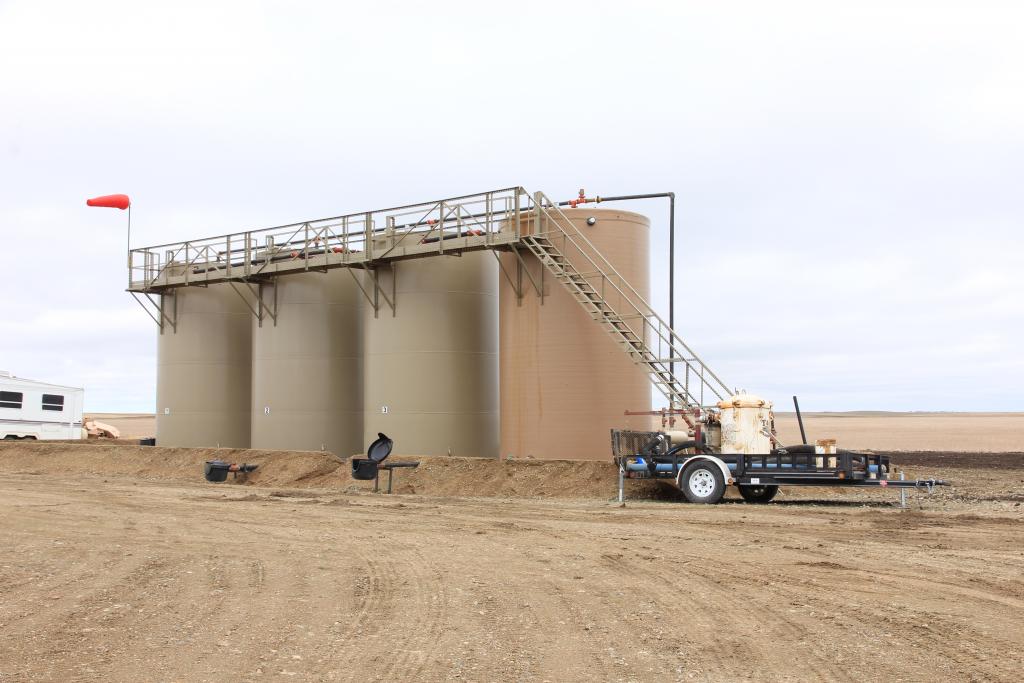
For oil and gas investors, one of the strongest appeals of the sector is that it is tied to something real, useful, and essential. Oil and gas investments can connect qualified and approved investors to tangible energy assets, physical production, underground reserves, potential income, and the ongoing need for domestic energy.
A real asset is different from a purely paper-based investment. It is connected to something physical, such as land, infrastructure, commodities, mineral interests, or energy resources. In oil and gas, that connection starts underground, where crude oil and natural gas are found in reservoirs and then brought to the surface through drilling and production.
That tangible foundation is one reason many qualified investors consider domestic oil and gas as part of a broader investment strategy. The opportunity is connected to wells, operators, basins, production reports, commodity pricing, and ongoing energy demand.
Oil and gas begins with physical resources
Oil and gas are produced from real formations beneath the surface. The U.S. Energy Information Administration explains that crude oil and other hydrocarbons are found in underground reservoirs. Petroleum products are then made from crude oil and hydrocarbons found in natural gas.
The EIA also explains that natural gas is a fossil energy source made mostly of methane. It is found in underground rock formations and can also be located alongside other hydrocarbon reservoirs.
This is what makes oil and gas different from many other investment categories. The value begins with physical resources. Those resources may be developed, produced, transported, refined, and used across the economy. They support transportation, electricity generation, manufacturing, agriculture, petrochemicals, heating, and many other needs.
For qualified investors, this can make the investment experience feel more grounded. You are not simply following a market symbol. You are evaluating participation in real energy projects tied to domestic production.
Production turns the asset into economic activity
A real asset becomes more meaningful when it can produce value over time. In oil and gas, production is the process of bringing crude oil or natural gas to the surface and selling it into the market.
That production link is important. It is part of why oil and gas may offer potential income to qualified investors when wells perform as expected, and market conditions support production economics. Income is never guaranteed, and every project carries risk. Still, the possibility of production-based cash flow is a key reason investors study the sector.
The U.S. remains a major producer of oil and gas. In March 2026, the EIA reported that U.S. crude oil production reached a new annual record in 2025, averaging 13.6 million barrels per day. This reflects the continued importance of domestic production in the broader energy market.
DW Energy Group focuses on domestic oil and gas opportunities for qualified and approved investors. The company is a non-operating oil and gas exploration company located in the Dallas, Texas metro area and has provided oil and gas investment opportunities to qualified investors since 2008.
Contact DW Energy
Want to learn more about oil & gas investing? Our expert team can provide you with more information or schedule a consultation to talk about diversifying your investment portfolio.
Reserves help investors understand future potential
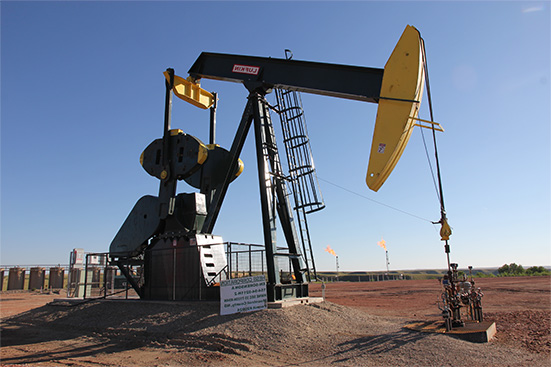
Oil and gas investors often hear the word reserves. In simple terms, reserves refer to oil or natural gas that is expected to be recoverable under current economic and operating conditions.
The EIA explains that proved reserves are operator estimates of oil and natural gas volumes that geological and engineering data show with reasonable certainty are recoverable under existing economic and operating conditions. At year-end 2024, EIA reported U.S. proved reserves of crude oil and lease condensate at about 46 billion barrels, and U.S. proved reserves of natural gas at about 584 trillion cubic feet.
These numbers help show why reserves matter. They give investors a way to understand the scale of domestic energy resources. They also reinforce the importance of geology, engineering, basin quality, and operator experience.
For private oil and gas projects, reserves are not just a headline statistic. They are part of the evaluation process. Investors should want to know where the project is located, what the basin has historically produced, how the operator evaluates the acreage, and what assumptions support the opportunity.
Basin selection gives the asset a location
A real asset investment has a location. In oil and gas, that location matters.
Each basin has its own geology, production history, infrastructure, drilling costs, operating environment, and commodity mix. A strong basin can help support a stronger investment case, but every project still needs careful review.
DW Energy Group focuses on proven oil and gas regions across Texas, Oklahoma, and North Dakota, including the Eagle Ford, Woodbine, Permian, SCOOP, STACK, and Bakken. These are established U.S. energy regions with meaningful drilling and production activity.
Basin selection matters because it connects the investor to a specific part of the energy market. A project in Texas may have different cost structures, infrastructure access, and production profiles than a project in North Dakota or Oklahoma. Understanding those differences helps investors evaluate opportunities more clearly.
Direct participation makes the investment experience more tangible
Oil and gas can be accessed in different ways. Some investors buy public energy stocks or funds. Others look at private direct participation opportunities.
DW Energy Group participates as a minority non-operating working interest partner, giving qualified investors exposure to specific domestic oil and gas projects without requiring them to operate the wells directly.
This direct participation model can create a more tangible experience. Investors can review the project, basin, operator, drilling plan, production expectations, expenses, distributions, and reports. Instead of only seeing a public share price move, they can follow the progress of a defined energy asset.
That does not remove risk. Oil and gas projects involve commodity prices, operating costs, geology, timing, and production uncertainty. But it can give investors a clearer view of the asset itself and the factors that may influence performance.
Real assets can support portfolio diversification
Many qualified investors consider real assets because they want exposure beyond traditional public markets. Oil and gas fits into that conversation because it is tied to physical commodities, domestic production, and long-term energy demand.
Potential advantages may include tax incentives, long-term passive income potential, portfolio diversification, and support for U.S. energy independence.
The diversification point is especially important. Oil and gas investments may respond to different market forces than stocks, bonds, or real estate. Commodity pricing, supply and demand, production levels, geopolitical events, and domestic energy policy can all influence performance.
That creates a different type of exposure for qualified investors. It still requires careful evaluation, but when used appropriately, oil and gas may help broaden a portfolio.
Tax treatment is part of the real asset structure
Oil and gas investing may also include tax considerations that are tied to the costs of developing physical wells.
The IRS Publication 535 explains that the costs of developing oil, gas, or geothermal wells are generally treated as capital expenditures. It also explains that taxpayers with an operating or working interest in U.S. wells may elect to deduct intangible drilling costs as a current business expense.
This is one reason oil and gas may appeal to qualified investors with the right tax situation. However, investors should always consult their own tax professionals, since tax treatment depends on individual circumstances, partnership structure, documentation, and current tax rules.
The main point is that the tax discussion is tied to real development activity. It relates to the cost of drilling and preparing wells for production, not to a separate paper-based benefit detached from the asset itself.
Clear reporting helps investors stay connected
A real asset investment should come with clear information before and after participation begins.
DW Energy Group supports investors with monthly partner reports, personal account executive support, a secure online portal, and annual tax documents. Monthly reports may include account information, production details, distributions, expenses, project updates, and partnership summaries.
For investors, that reporting can make the investment experience more transparent. It helps them understand how a project is progressing and how the asset is performing over time.
This communication is also part of responsible investor support. Private placements require careful review. SEC Investor.gov notes that private placements can carry higher risk and may involve fewer disclosure requirements than registered offerings. That is why investors should evaluate documentation, ask questions, and work only with experienced teams that prioritize clarity.
A practical way to think about real energy assets
Oil and gas is considered a real asset investment because it is tied to physical resources, reserves, wells, basins, production, income potential, tax considerations, and domestic energy demand. For qualified and approved investors who want a more tangible way to participate in U.S. energy, DW Energy Group provides direct access to carefully evaluated oil and gas opportunities.
Contact dw energy
Sources
“About Us,” DW Energy Group,
https://www.dwenergygroup.com/about-us/
“Why Oil and Gas,” DW Energy Group,
https://www.dwenergygroup.com/why-oil-gas/
“DW’s Approach,” DW Energy Group,
https://www.dwenergygroup.com/dw-approach/
“Operations,” DW Energy Group,
https://www.dwenergygroup.com/operations/
“Oil and Petroleum Products Explained,” U.S. Energy Information Administration,
https://www.eia.gov/energyexplained/oil-and-petroleum-products/
“Natural Gas Explained,” U.S. Energy Information Administration,
https://www.eia.gov/energyexplained/natural-gas/
“U.S. Crude Oil Production Rose in 2025 Setting New Record,” U.S. Energy Information Administration, https://www.eia.gov/todayinenergy/detail.php?id=67404
“Alaska Proved Reserves Increased in 2024 While Nationwide Proved Reserves Fell,” U.S. Energy Information Administration, https://www.eia.gov/todayinenergy/detail.php?id=67624
“Private Placements under Regulation D,”
Investor.gov,
U.S. Securities and Exchange Commission,
https://www.investor.gov/introduction-investing/general-resources/news-alerts/alerts-bulletins/investor-bulletins/private
“Publication 535 Business Expenses,” Internal Revenue Service,
https://www.irs.gov/pub/irs-prior/p535–2022.pdf