Drilling gets much of the attention in energy investing, but production is where the investment begins moving into a new phase. For oil and gas investors, understanding what happens after a well starts producing makes it easier to follow production results, revenue, expenses, and potential investment income over time.
Production Begins After the Well Is Completed
Drilling and production are two separate stages in the life of a well.
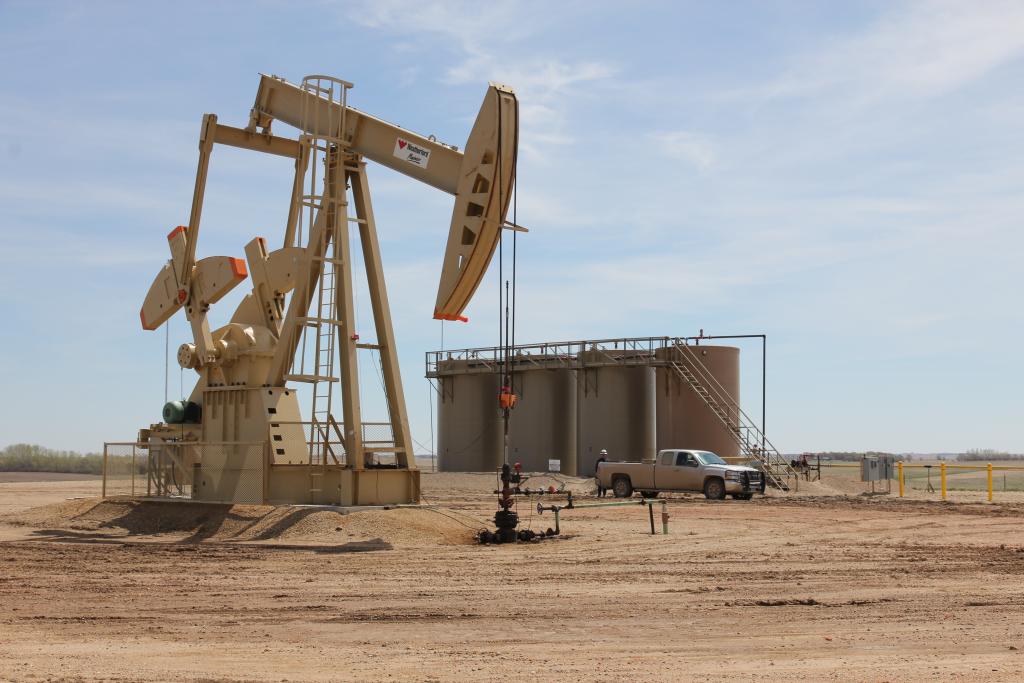
The U.S. Energy Information Administration defines completion as the process of installing the permanent equipment needed for oil or natural gas production. This can include casing, cementing, perforating, and other work required to prepare the well for production. Once the well is completed and connected to the necessary infrastructure, oil or natural gas production can begin.
From there, the focus shifts from drilling and completion activity to how much oil or natural gas the well produces and sells.
For investors, this is an important milestone because the well has moved from development into production and can begin generating revenue from the sale of oil or natural gas.
Oil Well Production Starts Generating Revenue
Once oil or natural gas is produced and sold, the well begins generating revenue.
For investors who own a working interest, returns are tied directly to production from the underlying property. The EIA defines a working interest as an ownership interest that entitles the holder to a share of mineral production or the proceeds from that production, while also carrying a share of applicable exploration, development, and operating costs.
This is one of the key features of direct oil and gas participation. The investment is tied to actual wells and the oil or natural gas they produce rather than solely to the market value of a publicly traded energy company.
Revenue can vary from one period to another depending on production volumes, oil and natural gas prices, and the investor’s ownership interest. Looking at these factors together gives a more complete picture of how a producing well is performing.
Operating Expenses Continue During Production
Once a well is producing, it still requires ongoing operation and maintenance.
According to the EIA, production costs can include labor associated with operating wells and related equipment, repairs and maintenance, materials and supplies, fuel, services, property-related costs, and production or severance taxes. These are sometimes referred to as lifting costs.
These costs are a normal part of keeping producing assets operating.
For a working interest owner, understanding both revenue and associated expenses helps provide a clearer view of the well’s financial performance. A month with strong production may look different from another month depending on commodity prices, maintenance activity, and other well-level costs.
This is why detailed reporting becomes especially valuable once production starts.
Contact DW Energy
Want to learn more about oil & gas investing? Our expert team can provide you with more information or schedule a consultation to talk about diversifying your investment portfolio.
Production Naturally Changes Over Time
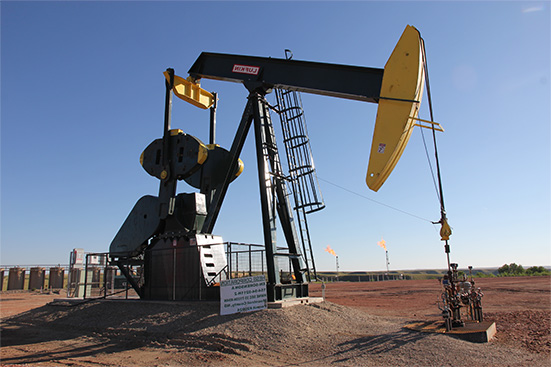
A well does not normally produce the same amount of oil or natural gas every month throughout its life.
Production typically changes as reservoir pressure and the amount of recoverable hydrocarbons change. Horizontal wells in particular can begin with relatively high production and then experience faster declines than vertical wells.
The EIA reported that horizontal wells accounted for 94 percent of crude oil production and 92 percent of natural gas production in the Lower 48 states in December 2024. The agency also notes that horizontal wells tend to have high initial production rates followed by steeper declines than vertical wells.
For investors, a decline rate is therefore not simply a sign that something has gone wrong. It is an important part of understanding a well’s expected production profile.
Production can continue for years even as monthly volumes change. The shape of that production profile depends on the geology, well design, completion, formation, operating decisions, and other characteristics of the individual property.
Production Revenue Can Lead to Cash Distributions
For qualified and approved investors with DW Energy Group, the move into production also creates the potential for monthly cash distributions as partnership revenue is received.
Once wells begin delivering revenue, DW sends cash distributions monthly. Partnership revenue received before the tenth business day of a month is processed and distributed on the first business day of the following month. Investors can elect to receive distributions through direct deposit or by check.
The amount of a distribution can vary because the underlying revenue and expenses can vary.
That makes the connection between well performance and investor reporting especially important. Instead of simply receiving a payment without context, investors can see what is happening at the well level and how those results relate to their partnership.
Monthly Reporting Helps Put the Numbers Together
Producing wells generate ongoing production and financial data alongside the oil or natural gas they produce.
DW provides approved qualified investors with comprehensive monthly partnership reports. These include a progress report with financial analysis, a partnership summary showing production and distribution information for individual wells, and line-item expense and check details showing the revenues and costs associated with each reporting period.
DW also provides a secure online partner portal where investors can access financial summaries, well performance information, partnership documents, tax documents, and links to operator information.
Together, these reports help investors see how individual monthly figures fit into the broader performance of the investment over time. Investors can follow production, review the financial activity associated with it, and track how the partnership progresses from one reporting period to the next.
Production Is Where Long-Term Performance Takes Shape
The start of production is an exciting milestone, but it is not the end of the investment story. It is the beginning of the period when investors can follow real production data and see how the underlying asset performs over time.
The United States has a large and diverse producing well base. The EIA reported that 918,481 oil and natural gas wells were producing in the United States in 2024. U.S. oil production averaged 13.4 million barrels per day and natural gas production averaged 128.8 billion cubic feet per day in December of that year.
Behind those national figures are individual wells with their own production profiles, expenses, and economics. That is why evaluating the operator, geology, location, production potential, and projected well life before investing remains an important part of direct participation.
DW provides approved qualified investors with detailed partnership evaluation information covering factors such as the operator, location, pipeline proximity, formation trends, pay zones, production potential, expected timeline, and other project details before an investment decision is made.
Follow the Well Beyond the Drilling Stage
A producing well turns months of evaluation, drilling, and completion work into a tangible energy asset with measurable production. For oil and gas investors, following oil well production, revenue, operating expenses, distributions, and well performance over time provides a much fuller understanding of how an oil and gas working interest can generate investment income.
Since 2008, DW Energy Group has focused on helping qualified and approved investors participate directly in domestic oil and gas projects while providing clear communication throughout the investment lifecycle. Learn more about the reporting, support, and resources available through the DW Energy Group Partner Experience.
Contact dw energy
Sources
“Qualified Investor Experience,” DW Energy Group,
https://www.dwenergygroup.com/partner-experience/
“DW’s Approach,” DW Energy Group,
https://www.dwenergygroup.com/dw-approach/
“Glossary Working Interest and Completion,” U.S. Energy Information Administration,
https://www.eia.gov/tools/glossary/index.php?id=finance
“Glossary Production Costs,” U.S. Energy Information Administration,
https://www.eia.gov/tools/glossary/index.php?id=P
“Rapid Declines From Horizontal Wells Require More Drilling to Sustain Production,” U.S. Energy Information Administration, https://www.eia.gov/todayinenergy/detail.php?id=66564
“U.S. Oil and Natural Gas Wells by Production Rate,” U.S. Energy Information Administration,
https://www.eia.gov/petroleum/wells/