
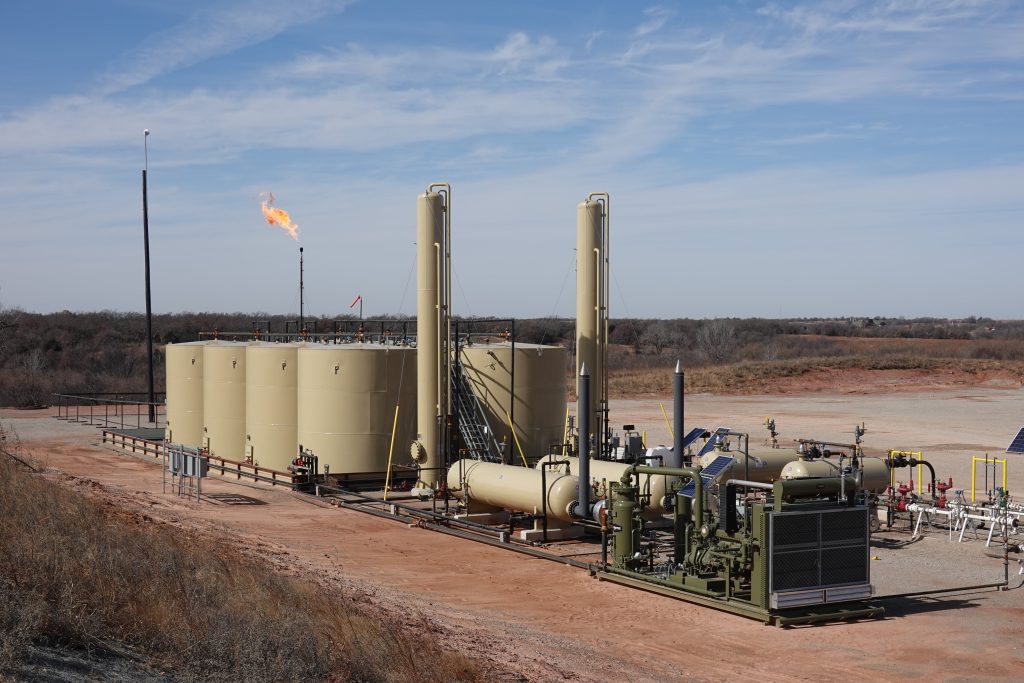
Inflation changes what a dollar can buy, which is why many investors look beyond cash and conventional securities when planning for the future. For qualified oil and gas investors, direct participation in domestic energy projects may provide exposure to a real asset whose value is tied to resources used throughout the economy.
Why purchasing power matters
Inflation is often most noticeable in everyday expenses. Groceries cost more, fuel prices change, and the same household budget may not stretch as far as it once did.
The Board of Governors of the Federal Reserve System defines inflation as a general increase in the prices of goods and services over time. As prices rise, each dollar buys less than it did before.
Even modest inflation can affect long-term wealth. Cash may feel stable because the account balance does not fluctuate like a stock price, but its real value can still decline when returns fail to keep pace with rising costs.
This is one reason investors consider assets that may respond differently to inflation, including commodities, real estate, precious metals and domestic energy projects.
Why real assets attract investors
A real asset has value connected to something physical or economically useful. Farmland can produce crops, real estate can provide housing, and mineral interests can give an owner rights to resources beneath the ground.
These assets are not immune to changing market conditions. Their values can fall, operating costs can rise, and income is never guaranteed. However, their value is not based only on a fixed amount of currency. It is also influenced by supply, demand, productivity and the usefulness of the underlying asset.
Oil and natural gas fall into this category because they are physical commodities with established uses across transportation, manufacturing, heating, electricity generation and other parts of the economy.
Energy remains closely connected to economic activity
Oil and natural gas are more than commodities traded in financial markets. They support many of the activities that keep businesses and households running.
The U.S. Energy Information Administration explains that petroleum products are used for transportation, heating, electricity generation, road construction and the production of chemicals, plastics and synthetic materials.
This wide range of uses supports steady demand for energy. Demand will shift with the economy, new technology, greater efficiency, weather and consumer habits, but oil and natural gas remain closely tied to how businesses operate and people live.
For investors, this provides exposure to commodities with a clear role in the economy, rather than relying solely on the market value of a publicly traded company.
How energy may respond during inflation
Energy is sometimes described as an inflation hedge because higher oil and natural gas prices can occur alongside rising costs across the economy. Energy is used to manufacture products, transport goods and operate businesses, so changes in energy prices may eventually affect what consumers pay.
However, the relationship is not automatic.
Oil and natural gas prices are influenced by global supply and demand, inventory levels, weather, geopolitical events, economic growth and production decisions. The EIA’s overview of oil prices explains that these factors can produce significant short-term volatility.
In some inflationary periods, higher commodity prices can support revenue from producing wells. In others, excess supply or weaker demand can push prices down, even as the cost of everyday goods continues to rise.
Energy may help diversify an inflation-focused strategy, but it is not a guaranteed safeguard against every change in the economy.
Direct participation differs from energy stocks
Investors can gain exposure to the energy sector in several ways. One of the most familiar is buying shares in a publicly traded oil and gas company.
An energy stock provides indirect exposure. Its value may be influenced by commodity prices, but it also depends on company debt, management decisions, capital spending, investor sentiment, and broader stock market conditions.
Direct participation works differently. Through a working interest in a domestic oil and gas project, an investor owns a percentage of the underlying project rather than shares in a public corporation.
Revenue may be distributed based on the investor’s ownership interest and the amount of oil or natural gas produced and sold. Investors may also be responsible for their share of drilling, completion, and operating expenses, depending on the terms of the partnership.
This structure creates a more direct connection to production, but it also introduces risks that require careful review.
Contact DW Energy
Want to learn more about oil & gas investing? Our expert team can provide you with more information or schedule a consultation to talk about diversifying your investment portfolio.
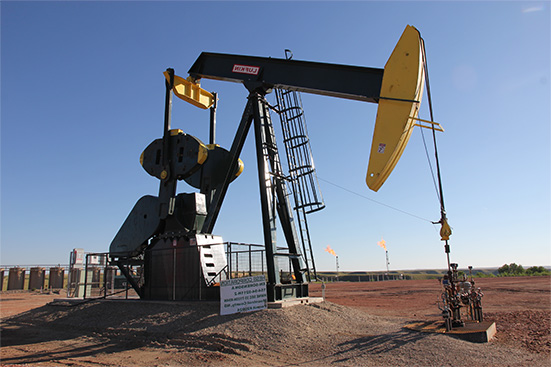
The role of oil and gas in a diversified portfolio
Direct energy ownership may appeal to investors who already hold conventional assets and want to add exposure to a different part of the economy.
Because a working interest is not priced every minute on a public exchange, its performance is not measured in the same way as a publicly traded stock. However, it is still affected by commodity markets, project performance, production decline, operating costs, and changes in regulation.
It should not be viewed as entirely disconnected from financial markets or as a replacement for a diversified portfolio.
For the right qualified investor, oil and gas participation may complement other holdings by adding exposure to physical production and potential project revenue. Whether it is appropriate depends on the investor’s financial position, risk tolerance, tax situation, investment timeline and need for liquidity.
Long-term ownership and family planning
Some investors consider direct energy projects as part of a broader plan to build assets that may continue producing over time.
A successful well can potentially generate revenue for a number of years, although production generally changes throughout the life of the well. Commodity prices, operating expenses, and reserve performance also affect the amount investors may receive.
A working interest may be transferred through an estate, trust or succession plan, making it worth considering as part of a family’s long-term financial planning. Because ownership transfers can have legal and tax implications, investors should discuss their options with qualified advisers.
The goal is not simply to own something physical. It is to understand how the asset may fit alongside the investor’s other holdings and long-term priorities.
Operator experience and project selection matter
Oil and gas development is highly technical. Geology, engineering, drilling quality, operating efficiency and cost control can all influence the outcome of a project.
Before participating, investors should understand who will operate the wells, where the project is located and how the opportunity was evaluated. They should also review expected costs, production assumptions, reporting procedures, distribution terms and the risks described in the offering documents.
DW Energy Group works with experienced operating companies that manage field operations while DW provides investor communication and project reporting. Careful operator selection does not remove investment risk, but it is an important part of evaluating a direct participation opportunity.
Tax Considerations for Direct Investors
Direct oil and gas participation may offer tax benefits that are not typically available with traditional energy stocks.
Depending on the project structure and the investor’s circumstances, certain intangible drilling costs may be deductible or eligible for amortization. Qualifying mineral interests may also be eligible for depletion deductions.
The IRS Instructions for Form 6251 discuss the treatment of intangible drilling costs, including their potential effect on the alternative minimum tax. IRS Publication 551 explains depletion as a deduction used to recover an investment in minerals in place.
These rules are detailed, and their application varies by taxpayer. Potential tax treatment should never be the only reason to invest. Investors should consult their own tax, legal, and financial professionals before making a decision.
Making an informed investment decision
Inflation can make it harder to preserve purchasing power, but no single asset provides complete protection. Direct oil and gas participation offers qualified investors one way to gain exposure to physical energy production, potential project revenue and certain tax considerations.
The opportunity also carries meaningful risks, including commodity price changes, unsuccessful drilling, production decline, operating expenses and limited liquidity. A careful review of the operator, project economics, offering documents and personal financial goals is essential.
DW Energy Group has provided direct participation opportunities to approved and qualified oil and gas investors since 2008. Visit our Why Oil and Gas page to learn more about the potential benefits, risks, and structure of domestic energy ownership.
Contact dw energy
Sources
“What Is Inflation and How Does the Federal Reserve Evaluate Changes in the Rate of Inflation?” Board of Governors of the Federal Reserve System,
https://www.federalreserve.gov/faqs/economy_14419.htm
“Use of Oil,” U.S. Energy Information Administration,
https://www.eia.gov/energyexplained/oil-and-petroleum-products/use-of-oil.php
“Oil Prices and Outlook,” U.S. Energy Information Administration,
https://www.eia.gov/energyexplained/oil-and-petroleum-products/prices-and-outlook.php
“Instructions for Form 6251,” Internal Revenue Service,
https://www.irs.gov/instructions/i6251
“Publication 551 Basis of Assets,” Internal Revenue Service,
https://www.irs.gov/publications/p551
“Why Qualified Investors Choose Oil and Gas,” DW Energy Group,
https://www.dwenergygroup.com/why-oil-gas/