
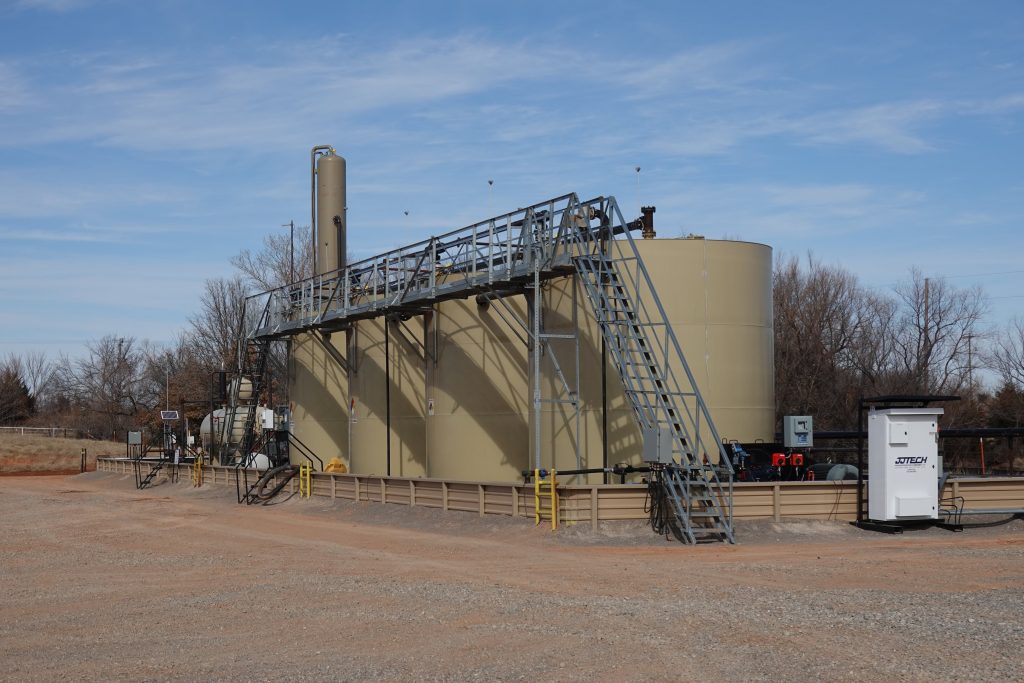
Summer changes the way Americans use energy. More travel supports demand for transportation fuels, while higher temperatures push electricity use higher and keep natural gas important to the nation’s power supply.
For qualified oil and gas investors, these seasonal patterns show how domestic production responds to demand from transportation, power generation and industry.
Summer demand comes from several places
The summer energy market is not driven by one factor alone.
Families travel more, businesses use more electricity for cooling, and power grids must respond to periods of high demand. Commercial facilities, manufacturing plants, and data centers also require considerable amounts of electricity to operate and stay cool.
Oil and natural gas serve different parts of this demand. Gasoline remains the main fuel for most passenger vehicles, while natural gas plays an important role in electricity generation.
Understanding these separate uses gives investors a more complete view of the market than focusing only on prices at the gas pump.
Summer driving still supports gasoline demand
Road travel remains a major part of U.S. energy use. According to the U.S. Energy Information Administration, Americans used about 136.7 billion gallons of gasoline in 2025. Cars, sport utility vehicles, and light trucks account for roughly 91 percent of gasoline consumption.
Gasoline use generally reaches its highest levels during the summer driving season. More people are taking vacations, visiting family, and spending time on the road, which increases activity across refineries, storage terminals, pipelines, and retail fuel stations.
However, investors should not assume that summer travel will lead to continued growth in annual gasoline demand.
The EIA reported that U.S. gasoline consumption declined slightly in 2025, even as vehicle miles traveled increased. Improvements in fuel efficiency helped offset the additional driving, and the agency expects that trend to continue in 2026 and 2027.
This is an important distinction. Summer demand remains significant, but long-term gasoline use is also being shaped by vehicle efficiency, hybrid adoption and changes in driving patterns.
Natural gas helps meet summer electricity needs
The other major source of seasonal demand comes from electricity.
Air conditioning places additional pressure on power systems during periods of extreme heat. Electricity use often peaks in the afternoon and early evening, when homes and businesses are cooling their buildings at the same time.
Natural gas-fired power plants help meet this demand because operators can adjust their output as electricity needs change.
The EIA expects natural gas consumption by the U.S. electric power sector to average 43.7 billion cubic feet per day from June through September 2026. That is the same as the summer of 2025 and 4 percent above the previous five-year summer average.
Natural gas is not working alone. Solar, wind, nuclear and other resources also contribute to the summer generation mix. The contribution from each can change throughout the day depending on weather, availability and electricity demand.
For oil and gas investors, the key point is that natural gas continues to play an important role as the power market grows and becomes more diverse.
Contact DW Energy
Want to learn more about oil & gas investing? Our expert team can provide you with more information or schedule a consultation to talk about diversifying your investment portfolio.
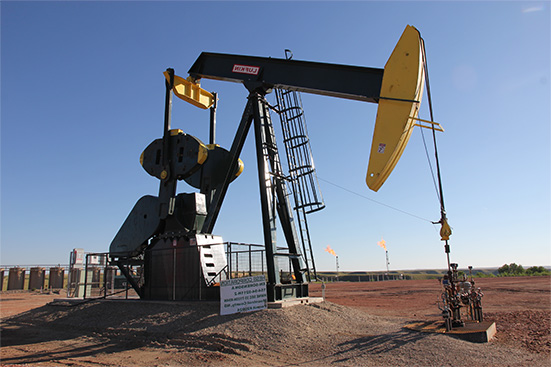
Texas offers a clear view of the changing power demand
Texas is a strong example of how electricity needs are evolving. Population growth, industrial expansion, data center development and long stretches of extreme heat are all adding pressure to the grid.
The EIA expects electricity demand in the West South Central region to rise as commercial and industrial users increase their power consumption. It also forecasts that the Electric Reliability Council of Texas will meet part of that growth with additional generation from both natural gas and solar.
Between the summers of 2025 and 2027, the EIA expects natural gas generation in ERCOT to rise by 22 percent.
This does not mean one source is replacing every other source. It shows how the power system uses a combination of resources to meet changing needs.
Natural gas can supply electricity when demand rises, or output from weather-dependent sources changes. Solar can provide substantial generation during sunny daytime hours. A larger power market may create room for both.
How Domestic Production Supports the Energy Supply Chain
Producing oil and natural gas in the United States adds supply to a market that supports transportation, electricity generation, manufacturing and exports.
Domestic production can also support jobs, infrastructure investment and economic activity in producing regions. However, it does not completely separate U.S. consumers or investors from global events.
Crude oil prices are shaped by international supply and demand. Gasoline prices also depend on refining capacity, inventories, transportation costs, taxes, and regional market conditions.
The EIA noted that crude oil was the largest component of U.S. gasoline prices in 2025. Gasoline demand typically rises during the summer driving season, but prices can still move in a different direction depending on crude oil costs, refinery activity, inventories, and other market conditions.
For investors, domestic production remains important, but it cannot eliminate the effects of every market disruption.
What seasonal demand means for investors
Summer energy use provides helpful context, but seasonal demand alone is not enough to evaluate an oil and gas project.
Qualified investors should also consider the quality of the acreage, expected production, well decline rates, drilling and completion costs, commodity price assumptions and available transportation infrastructure.
Operator experience matters as well. The operator is responsible for drilling, completing and managing the wells. Its technical decisions, cost controls and field experience can directly affect project performance.
Investors should review the offering documents carefully and understand how revenue, expenses and risks are allocated before committing capital.
Direct participation offers a different type of exposure
Direct participation gives qualified investors an ownership interest in a specific oil and gas project rather than shares in a publicly traded company.
If the wells produce and the oil or natural gas is sold, investors may receive distributions based on their ownership share and the terms of the partnership. Those distributions may be affected by production volumes, commodity prices, operating expenses, taxes and other project costs.
Direct participation also carries substantial risk. Drilling may not produce the expected results, wells can decline faster than projected and investments are generally less liquid than publicly traded securities.
For investors who understand these risks, direct participation may provide exposure to physical energy production as part of a broader investment strategy.
Tax treatment should be reviewed carefully
Direct oil and gas investments may also involve tax considerations.
Depending on the project structure and the investor’s circumstances, intangible drilling costs may be deductible or amortised. The IRS instructions for Form 6251 discuss the treatment of intangible drilling costs and the option to deduct certain costs over 60 months.
Investors may also be eligible for depletion deductions as production reduces the amount of recoverable oil or natural gas in a property. The rules vary based on the ownership structure, type of interest and individual tax position.
Tax treatment should not be the only reason to participate in a project. Every investor should speak with their own tax adviser, attorney and financial professional before making a decision.
What investors should keep in mind
Summer demand shows how closely oil and natural gas remain tied to transportation, electricity use and broader economic activity. It also shows why oil and gas investors need to look beyond a single season or headline when considering a project.
Commodity prices, production performance, operating costs and project quality will continue to influence outcomes. Careful due diligence is important.
DW Energy Group works with experienced operating partners and provides qualified investors with project reporting, production information and access to investment documents through a secure online portal.
Visit DW Energy Group to learn more about our investment opportunities and how we support approved and qualified investors throughout the process.
Contact dw energy
Sources
“Use of Gasoline,” U.S. Energy Information Administration,
https://www.eia.gov/energyexplained/gasoline/use-of-gasoline.php
“Increasing Fuel Efficiency Leads to Decreasing Gasoline Consumption,” U.S. Energy Information Administration,
https://www.eia.gov/todayinenergy/detail.php?id=67426
“Natural Gas for Power Generation Flat This Summer, Record High Expected in 2027,” U.S. Energy Information Administration,
https://www.eia.gov/todayinenergy/detail.php?id=67725
“In 2025, U.S. Retail Gasoline Prices Decreased for Third Consecutive Year,” U.S. Energy Information Administration,
https://www.eia.gov/todayinenergy/detail.php?id=66964
“Instructions for Form 6251,” Internal Revenue Service,
https://www.irs.gov/instructions/i6251
“Publication 551 Basis of Assets,” Internal Revenue Service,
https://www.irs.gov/publications/p551
“DW’s Approach,” DW Energy Group,
https://www.dwenergygroup.com/dw-approach/