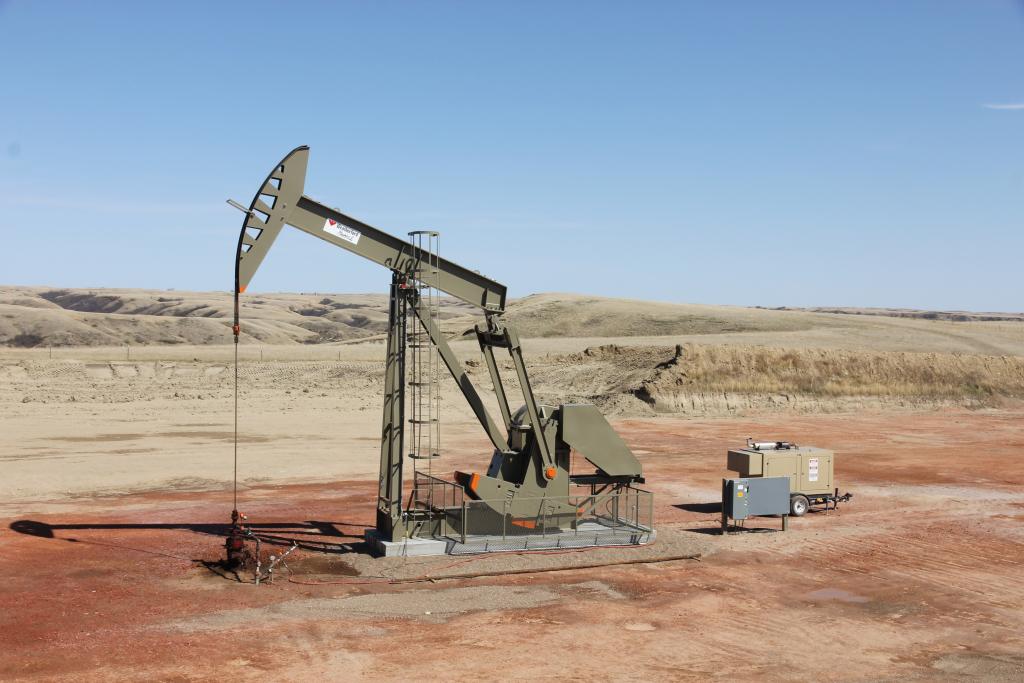
For oil and gas investors, direct participation can make an investment feel more connected to real assets, real production, and real market demand. Instead of only following an energy company’s share price, qualified and approved investors can participate in domestic energy projects tied to wells, operators, basins, production activity, and long-term energy use.
That is one of the reasons direct oil and gas participation continues to attract experienced investors who want something more tangible in their portfolios. It offers a different kind of exposure. It is not simply an investment in a company’s stock price. It is participation in the development and production of domestic oil and gas assets.
At DW Energy Group, this idea is central to the company’s work. DW Energy Group, LLC is a non-operating oil and gas exploration company located in the Dallas, Texas metro area. Since 2008, DW has helped qualified and approved investors access domestic oil and gas opportunities with a focus on project evaluation, experienced operators, transparency, and ongoing support.
What direct participation means in simple terms
Direct participation means the investor is connected to a specific oil and gas project or partnership. In DW’s model, the company participates as a minority, non-operating working-interest partner alongside experienced exploration and production operators. That is different from buying public energy stocks, where the investor owns shares in a company but does not directly participate in a specific well or project.
DW’s approach focuses on finding, developing, and managing domestic oil and gas investment opportunities for qualified and approved investors. The goal is to help investors participate in energy projects while relying on DW’s experience in evaluating opportunities and working with established operators.
This structure gives investors a clearer view of where their capital is going. A project has a location. It has a basin. It has an operator. It has a drilling plan. It has production goals. It has reporting. Those details help make the investment experience feel more grounded.
Contact DW Energy
Want to learn more about oil & gas investing? Our expert team can provide you with more information or schedule a consultation to talk about diversifying your investment portfolio.
Energy is a physical product with daily demand
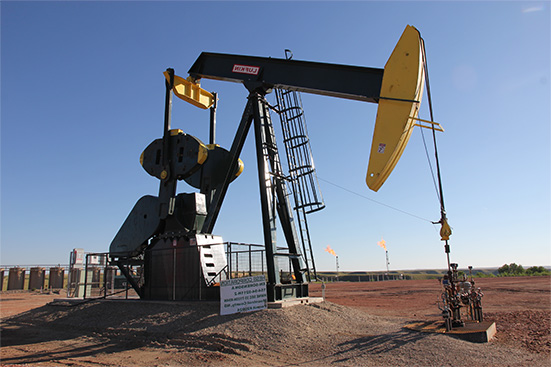
One reason oil and gas can feel tangible is simple. Energy is used every day.
The U.S. Energy Information Administration explains that crude oil and other hydrocarbons exist in underground reservoirs and that petroleum products are fuels made from crude oil and hydrocarbons found in natural gas. These products support transportation, industry, agriculture, manufacturing, and many parts of everyday life.
That direct connection to real-world use matters for investors. Oil and gas are not abstract concepts. They are resources produced from specific locations and used across the economy.
The U.S. remains a major energy producer. In March 2026, the EIA reported that U.S. crude oil production reached a new annual record in 2025, growing by 3 percent to 13.6 million barrels per day. That kind of domestic production shows why U.S. oil and gas projects continue to play an important role in the broader energy market.
For qualified investors, this creates a practical reason to understand direct participation. The investment is tied to assets that help meet real energy needs.
The project details become part of the investor experience
Direct participation can also give investors a more detailed view of the opportunity itself.
In a public stock investment, investors may look at company earnings, management commentary, market sentiment, and share performance. Those details can be helpful, but a direct oil and gas project often brings a different set of questions.
- Where is the project located?
- Who is operating it?
- What does the production outlook look like?
- How are potential tax benefits documented?
These questions can give investors a more hands-on understanding of the opportunity. They also support more disciplined thinking, because even in a strong energy market, project quality still matters.
DW Energy Group’s operations focus on oil and gas resources in Texas, Oklahoma, and North Dakota, including areas such as the Eagle Ford, Woodbine, SCOOP, STACK, and Bakken. For investors, basin focus matters because each region has its own geology, infrastructure, operating history, and development profile.
Operator quality helps shape confidence
Direct participation is only as strong as the quality of the opportunity behind it. That is why operator selection matters.
DW Energy Group partners with leading exploration and production operators and participates as a non-operating working interest partner. This allows DW to focus on identifying opportunities, evaluating project fundamentals, and managing the investor experience while experienced operators handle the work of drilling and production.
This is important because oil and gas development is technical. It involves geology, engineering, capital planning, drilling, completion, production management, and ongoing operating decisions. Qualified investors do not need to manage those daily operations themselves, but they should understand why operator quality matters.
A disciplined operator can support better execution. A strong basin can support better project potential. Clear reporting can support better investor understanding. Together, these pieces help direct participation feel more informed and more tangible.
Direct participation may support tax-aware planning
Another reason direct oil and gas investments may appeal to qualified investors is the potential for tax advantages.
DW’s Why Oil and Gas page highlights potential tax incentives, long-term passive income generation, portfolio diversification, and support for U.S. energy independence as reasons qualified investors may evaluate the sector.
The IRS Publication 535 explains that the costs of developing oil, gas, or geothermal wells are ordinarily capital expenditures. It also states that taxpayers may choose to deduct intangible drilling costs as a current business expense for wells in the United States when they hold an operating or working interest. These costs may include items such as wages, fuel, repairs, hauling, and supplies related to drilling or preparing a well for production.
Investors should always work with their own tax professionals. Still, the tax structure is one reason direct participation can feel different from many other investment types. It may connect the investment not only to production activity, but also to specific tax documentation and planning considerations.
Direct participation requires qualified investors and careful review
Private oil and gas investments are not for everyone. That is why suitability and qualification are important.
SEC Investor.gov explains that certain securities offerings are limited to accredited investors because these investors are considered financially sophisticated and able to sustain the risk of loss. It also notes in its private placements guide that private placements can carry higher risk and require careful review.
This is not a negative point. It is part of responsible investing. Direct participation can offer meaningful potential, but it should be evaluated with clear information, proper documentation, and a realistic understanding of risks.
That is where DW Energy’s experience can help. The company’s team brings more than 30 years of experience in creating, distributing, and actively managing oil and gas partnerships. Its mission is to help qualified and approved investors pursue long-term monthly income and potential tax advantages while supporting U.S. oil and gas independence.
Clear reporting keeps the investment connected
A tangible investment experience does not end after the initial commitment. Investors also need to understand what is happening over time.
DW’s approach includes monthly partner reports, personal account executive support, a secure online portal, and annual tax documents. Monthly reporting may include account information, production details, distributions, expense information, partnership summaries, and progress updates.
That type of communication matters. It helps investors stay connected to the project instead of feeling removed from the investment after funding. It also helps build trust, which is especially important in private partnerships.
For many qualified investors, that ongoing visibility is part of the appeal. They can follow the project’s progress, review updates, ask informed questions, and better understand how the asset fits within their larger investment plan.
A more grounded way to participate in domestic energy
Direct participation gives oil and gas investors a more tangible way to evaluate domestic energy opportunities. It connects capital to specific projects, experienced operators, active basins, potential tax advantages, and regular reporting. For qualified and approved investors who value clarity, disciplined evaluation, and long-term participation in U.S. energy production, DW Energy Group provides a way to explore opportunities with experience, transparency, and ongoing support.
Contact dw energy
Sources
“DW’s Approach,” DW Energy Group,
https://www.dwenergygroup.com/dw-approach/
“About Us,” DW Energy Group,
https://www.dwenergygroup.com/about-us/
“Why Oil and Gas,” DW Energy Group,
https://www.dwenergygroup.com/why-oil-gas/
“Operations,” DW Energy Group,
https://www.dwenergygroup.com/operations/
“Oil and Petroleum Products Explained,” U.S. Energy Information Administration,
https://www.eia.gov/energyexplained/oil-and-petroleum-products/
“U.S. Crude Oil Production Rose in 2025 Setting New Record,” U.S. Energy Information Administration, https://www.eia.gov/todayinenergy/detail.php?id=67404
“Short-Term Energy Outlook,” U.S. Energy Information Administration,
https://www.eia.gov/outlooks/steo/
“Accredited Investors Updated Investor Bulletin,”
Investor.gov,
U.S. Securities and Exchange Commission,
https://www.investor.gov/introduction-investing/general-resources/news-alerts/alerts-bulletins/investor-bulletins/updated-3
“Private Placements under Regulation D,”
Investor.gov,
U.S. Securities and Exchange Commission,
https://www.investor.gov/introduction-investing/general-resources/news-alerts/alerts-bulletins/investor-bulletins/private
“Publication 535 Business Expenses,” Internal Revenue Service,
https://www.irs.gov/pub/irs-prior/p535–2022.pdf